

*A quick heads up, there will be no Tolkien chat this week. I am editing a lecture. Hopefully I can get it out by the end of the week. However, life turned out to be quite full for me this week. We will make it up. Until then, Happy Reading! And remember, you can continue the conversation in the chat here.
This week in my rhetoric class, we’ve been talking about telos. It’s a Greek word. It means end, purpose, aim. It is the thing toward which something is directed. Every argument has one. Every story has one. Every life has one, whether we’ve named it or not.
We discussed Aristotle’s claim that to make a proper judgment of something, one must know its telos. Is this knife good or bad? If its telos is to cut effectively and efficiently, then we can make that judgment.
This year, the students had the task of writing articles for our co-op magazine. Each magazine has a theme. Our last one of the year, fittingly, will be on the theme of telos. So, with that theme in mind, I’ve been reading Book Three in The Two Towers.
This week’s Dinner Table Discussion Guide covers Chapters 1–6 and is available for Fellowship members here. If you have been following along, I’d love to hear what is standing out to you. Drop into the subscriber chat or leave me a comment.
We must start with Boromir. The first chapter of Book 3 is titled The Departure of Boromir, so if you haven’t read it, you can probably imagine what happens. This is one of the many areas the movies didn’t quite get right. Perhaps I’ll lose some cred here, but I’m not anti-LOTR movies. But one of my criticisms is that it didn’t quite capture Boromir’s character. His fall doesn’t land quite as dramatically as in the book.
Boromir had a telos. He was the eldest son of the Steward of Gondor. His purpose, he understood, was to defend his people. That is a noble end. We believe Boromir is sincere in his duty, which makes him one of the most relatable characters.
Most of us are not operating at the highest levels of influence or significance. Most of us are called towards moderate positions. But we take our calling seriously, recognizing that the post we have been called to man, however ordinary, requires the same noble exercise of duty as any other. And we desire to do a good job manning our post. So when an opportunity comes along that promises to aid us toward our goal, to relieve some of the obstacles, and ensure success, we can understand the temptation. We can start to believe that the path we take to achieve our noble end matters less than the goal itself. This was Boromir’s mind, and it caused in him a kind of blindness and suspicion.
One of the interesting revelations was that it was clear Boromir had a kind of internal dialogue running since the Council of Elrond. His idea to use the ring was shot down. The problem was not his purpose but the means the Ring seemed to offer to fulfill it. The Ring promised the power to protect Gondor. And likely it would have accomplished this. But the Ring has its own telos. Its purposes would have won in the end. But notice, the ring achieves its end by promising you’ll reach your end on the way. Falling for this, Boromir grasped.
We talked about grasping last week. It goes all the way back to the Garden of Eden. Eve saw and she took. Galadriel, however, refused in her garden temptation.
Boromir grasped. His realization and repentance were almost immediate. “What have I done?” he said. Boromir was the son of a Steward. His telos was to be a guardian. The temptation of the ring had twisted his affections in such a way that he reasoned that forcefully taking the ring was really an act of stewardship.
The roots of my name come from the word Steward. “Steward” comes from the Old English stigweard: stig (hall, house) + weard (ward, guardian, keeper). A steward is literally a hall-guardian. A keeper of the house. So, when I say this is relatable, it really does hit home.
What follows is a swift and complete repentance. Boromir throws himself into the defense of Merry and Pippin. He dies pierced with arrows, guarding and protecting. Did he die in vain?
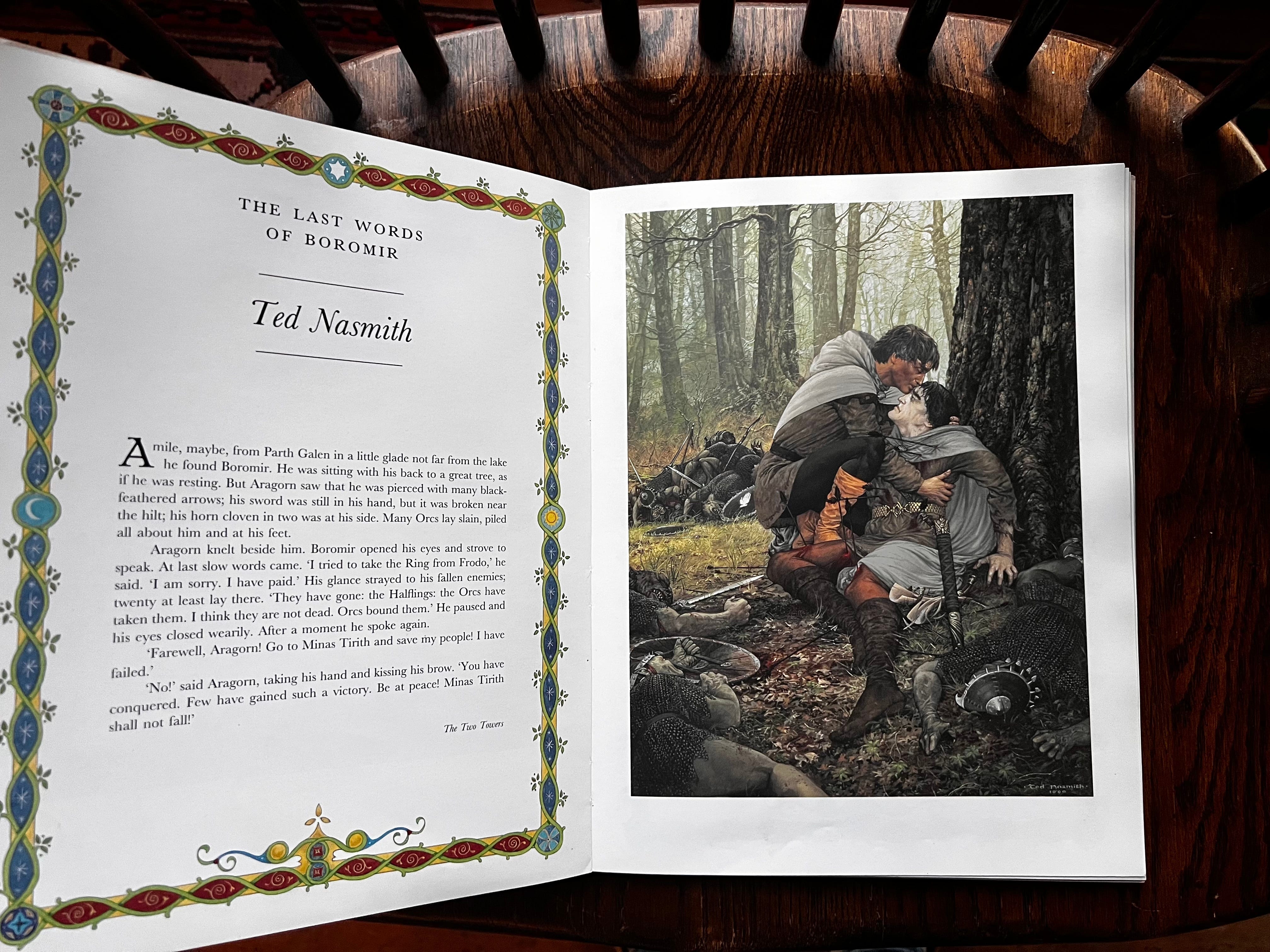
Aragorn finds him. In the book, it is an incredibly touching scene. Aragorn says, “You have conquered. Few have gained such a victory.”
What victory? He’s dying. The hobbits were taken anyway. By every visible measure, Boromir failed. But Aragorn isn’t measuring by visible outcomes. He’s measuring by telos. Boromir returned to his purpose. He died a steward rather than a thief.
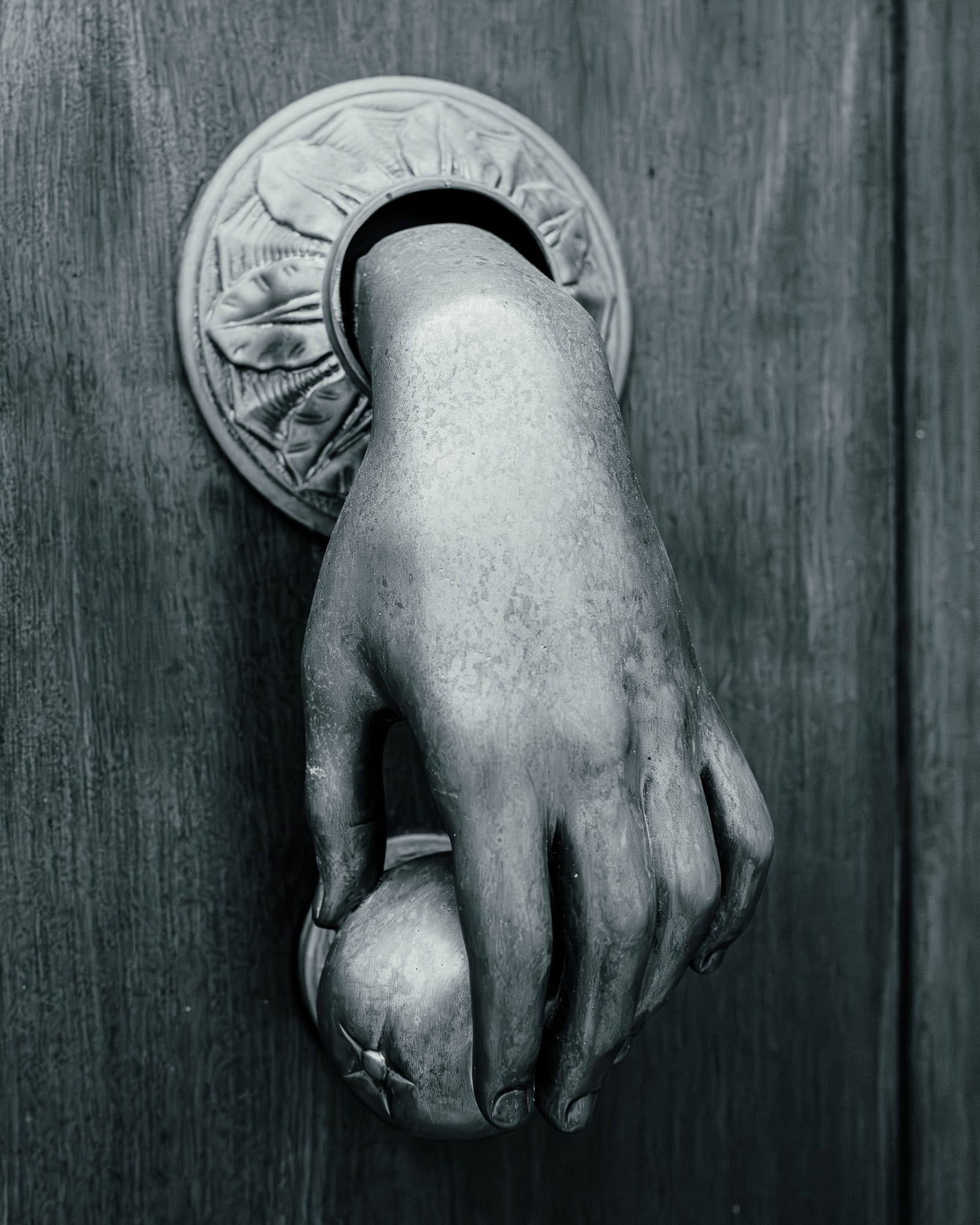
Now consider the opposite problem. Théoden didn’t lose his telos by grasping at something. His was slowly stolen away. Wormtongue is one of the most disturbing characters in the story because his method is so quiet. He does not conquer the king. He counsels him. He suggests. He reframes. Slowly, over time, he reshapes Théoden’s understanding of reality until the king can no longer see clearly, can no longer stand, can no longer remember what his hands are for.
This is what I try to teach my students about bad rhetoric. The most dangerous arguments are not the ones that are obviously wrong. Those are easy to identify. The dangerous ones are the ones that sound reasonable. They are the ones that use just enough truth to make the distortion invisible. Wormtongue doesn’t tell Théoden outright lies. He tells him things that are almost true. That’s what makes them poisonous.
When Gandalf arrives, he calls the king back to himself. He re-minds him. And Théoden grips his sword, stands, walks to the door of his hall, and looks out at his own land as if seeing it for the first time. Gandalf says he has begun to “re-mend.” Not just mend. Re-mend. What was Théoden for? What was his telos? Wormtongue had dismantled it, like a scavenger does a carcass. Now the pieces are being put back together.
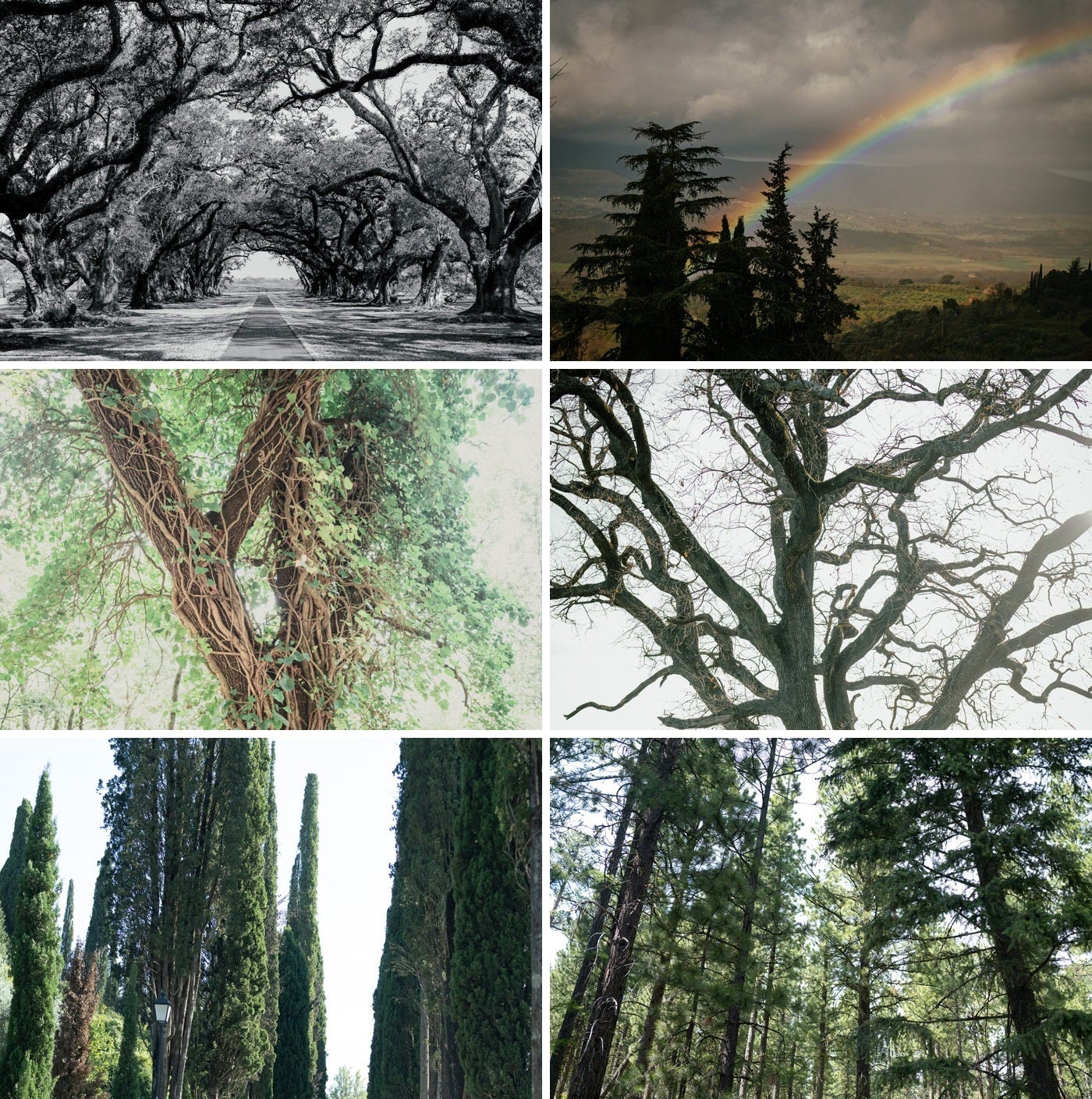
And then there is Treebeard. If Boromir lost his telos temporarily and Théoden had his stolen, Treebeard simply never lost his. “I am not altogether on anybody’s side,” he says, “because nobody is altogether on my side, if you understand me… nobody cares for the woods as I care for them.”
He has been tending the forest since before most of the characters in the story were born. He moves slowly because his purpose is long. He doesn’t react. He deliberates. “Do not be hasty,” he says, and he means it as a philosophy, not a suggestion.
There is a version of telos that our culture sells us that looks like Saruman. This is what Treebeard calls “a mind of metal and wheels.” It is purpose defined by productivity. By output. By speed and efficiency. What are you for? What can you produce? How fast?
Treebeard is the opposite of this. He tends things that grow on their own schedule. You cannot rush an oak. You cannot optimize a forest. You can only show up, season after season, and do the slow, meticulous work of caring.
I think this is worth sitting with, especially for those of us who tend to our homes, our children, our classrooms, our gardens, our marriages. The work is long. The pace is often frustratingly slow. The results are rarely visible on a timeline that satisfies our desire for progress. But the telos of tending is not productivity. It is faithfulness.
That is something Treebeard understood. Théoden, as he is restored, remembers. And Boromir, in his dying breath, is reassured.
Denethor is the Steward of Gondor. His son Boromir is a steward’s son, set to inherit the stewardship. Their entire vocation is to tend and guard something that does not ultimately belong to them. They must keep it until the king returns.
My very name reminds me I am a steward. Of my home. Of my children’s imaginations and souls. Of my students’ minds. Of a table where we break bread and talk about what matters. None of it belongs to me. All of it has been entrusted. I must guard and work until the king returns.
The telos of a steward is not productivity or acclaim. It is faithfulness to what has been placed in your care. Adam was the first steward. His job was to tend and guard the garden. Galadriel was a steward of the golden wood. Théoden was a steward-king, manipulated off his telos but re-minded. Boromir was a steward’s son who fell for the corrupting promise of the ring’s power. His redemption was severe. Treebeard has been stewarding the forest since before anyone can remember.
This week at the dinner table, ask this question: What are you for? Not what do you do. Not what are you good at. What are you for?
Can you relate to Boromir? Is there a subtle voice in your life that is quiet, reasonable, and almost true, slowly eroding your telos and pointing you off track?
As Treebeard would say, do not be hasty. Reflect and consider your telos.
As always, send me a comment or a message. Tell me what you think. Until then, happy reading.
— S.F. Elliott
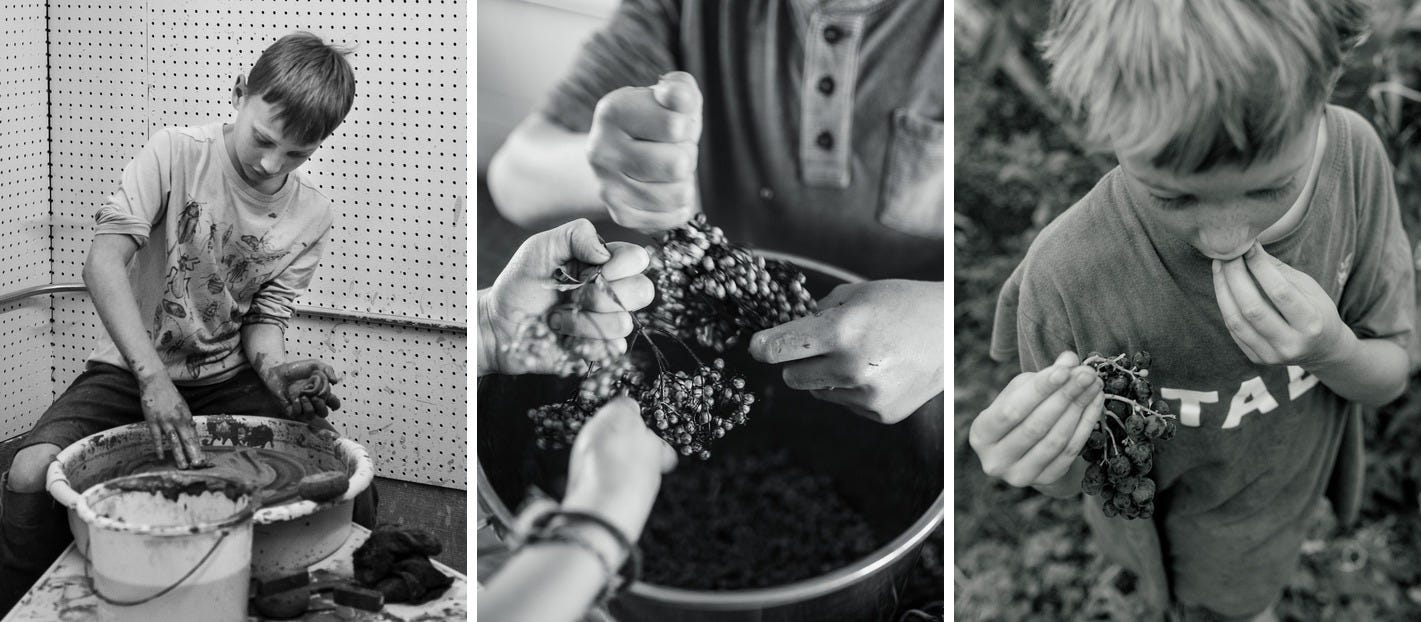
PS. How does this relate to Beautiful Masculinity? Telos is perhaps the most important concept for anyone pursuing beautiful masculinity. The culture offers men a hundred versions of purpose. Most of them are measured by power, status, productivity, or conquest. These are Saruman’s metrics. “A mind of metal and wheels.” But the kind of masculinity we are after is more like Treebeard than Saruman. It is slow. It is rooted. It tends things that grow over time, “a long obedience in the same direction.” It knows what it is for, and it does not let the world’s haste dictate its pace. A man who knows his telos, clearly knowing what he is for, is very hard to manipulate. The Wormtongues of the world have no power over a man who knows his own name.
PPS.
A new table to gather around
One of the things I’ve loved most about The Fellowship is the conversations that have grown out of it — in the comments, during our Tolkien chats, and at your own dinner tables. I want to make more room for that. Starting this week, I’m opening a subscriber chat on Substack. Think of it as a place to continue the conversation between posts — share what you’re noticing in your reading, ask questions, or just check in with the Fellowship. I’ll be in there regularly. If you’re a subscriber, you’ll find it here. If you’re not yet, this is another good reason to join us.
Love this. Beautifully written. I kept thinking while reading, “Q: What is the chief end of man? A: To glorify God and enjoy him forever.”
“He moves slowly because his purpose is long. He doesn’t react. He deliberates. “Do not be hasty,” he says, and he means it as a philosophy, not a suggestion.”
This is how I envision motherhood should be.
Really enjoy your writing!